Meeting culture around the world: what can we learn from other countries?
Whether you are organizing a training session, workshop, course, or meeting, the way people work together varies from country to country. What feels completely natural in one country may be considered unusual somewhere else. For trainers, educators, and organizers, understanding these differences can be highly valuable. It helps create an environment where participants feel comfortable and are able to contribute at their best.
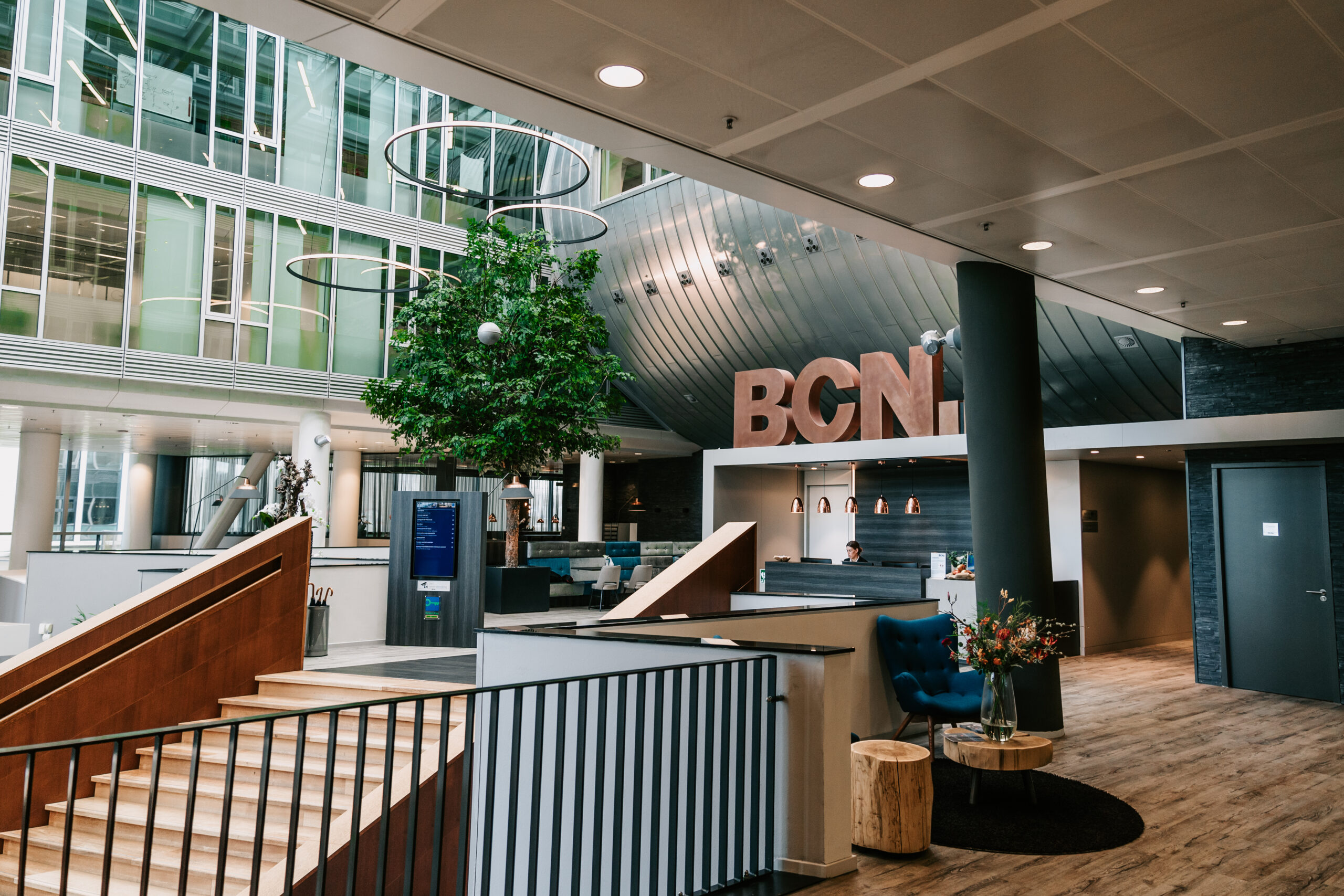
At BCN, we welcome groups from a wide range of backgrounds every day. Despite cultural differences, one need remains the same everywhere: participants want an environment where they can concentrate, collaborate, and achieve results. A calm atmosphere, focus, and clarity provide the foundation for this.
The Netherlands: direct, open, and engaged
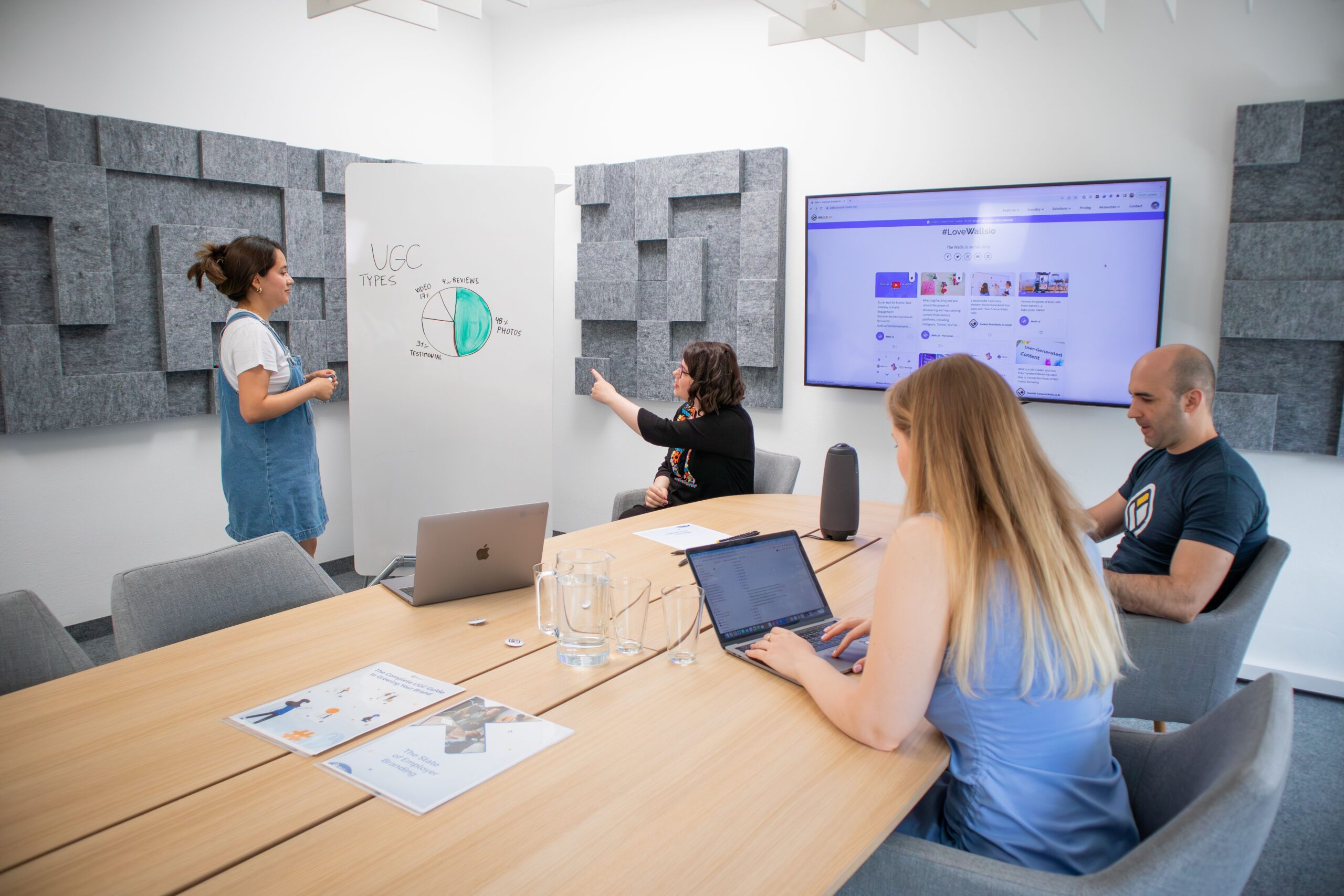
Dutch meeting culture is known for its direct communication style. Participants are encouraged to share their opinions, ask questions, and actively contribute ideas. Decisions are often discussed as a group, leaving plenty of room for interaction.
For trainers and educators, this means that participants often feel actively involved in the process. At the same time, this openness requires a clear structure. When expectations are clear and the environment provides a sense of calm, there is more room for constructive conversations and effective collaboration.
Germany: structure as the Foundation
In Germany, preparation, punctuality, and clear agreements play an important role. Agendas are carefully planned, and participants often arrive well prepared. This allows meetings to quickly move into more in-depth discussions.
For a training day, this means that a clear and well-organized schedule is especially important. When participants immediately know where they need to be and everything is ready upon arrival, they can keep their attention focused on the content. This creates a sense of calm and helps everyone get the most out of the day.
United States: focused on action and results
In the United States, the emphasis is often on progress and concrete outcomes. Meetings tend to be energetic and goal-oriented, with discussions quickly turning into action.
For trainers and educators, this can mean that participants appreciate seeing practical applications of theory. They want to understand how new knowledge can be put into practice right away. A learning environment where participants can practise, collaborate, and develop ideas supports this preference for action-oriented learning.
Japan: focus on the group
Japanese meeting culture is characterized by respect, attentive listening, and careful decision-making. Participants take the time to consider different perspectives before drawing conclusions.
This highlights how important it can be to create space for reflection. Not every participant will immediately share their opinion. Sometimes, the greatest engagement occurs when people have time to think before responding. A calm environment without distractions helps support this.
Scandinavia: collaboration based on equality
In countries such as Sweden, Norway, and Denmark, equality plays a central role. Everyone is encouraged to contribute their thoughts and share ideas, regardless of their position or level of experience.
This approach works particularly well for interactive training sessions and workshops. When participants feel heard, open conversations develop more naturally. This not only strengthens collaboration but also enhances the learning process within the group.
What do successful meeting cultures have in common?
Although approaches may differ, effective meetings around the world share a surprising number of similarities. People want clarity about the purpose of the day, to understand what is expected of them, and to have the opportunity to actively participate.
Time and again, the importance of the environment also becomes clear. When participants can arrive calmly, easily find their way around, and fully focus on the content, meetings teend to be more productive. No distractions, just progress.
The role of a meeting location
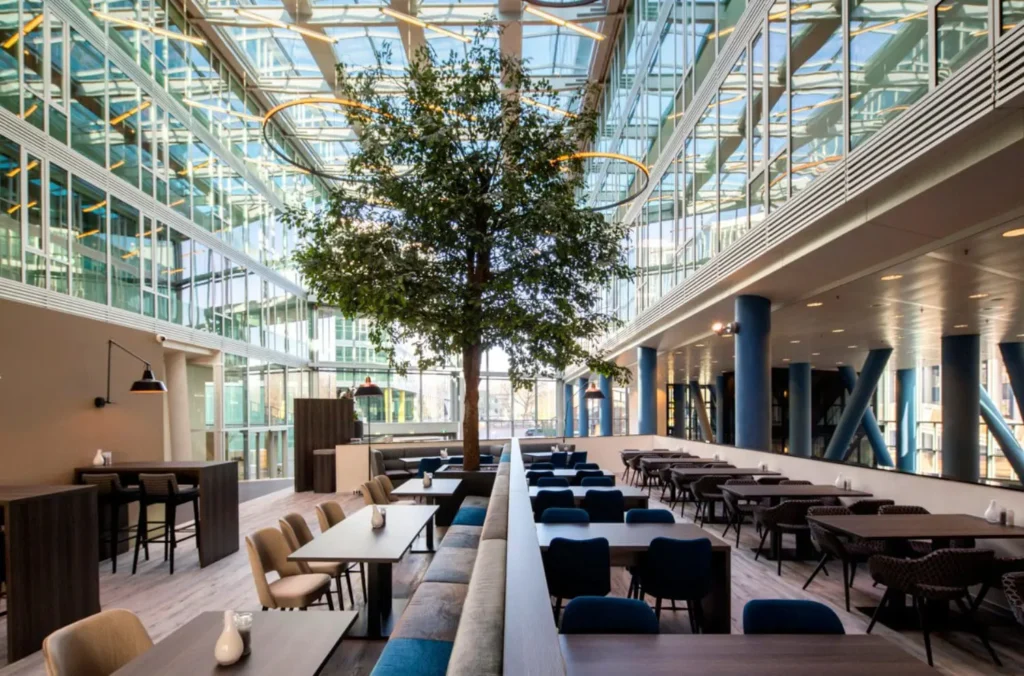
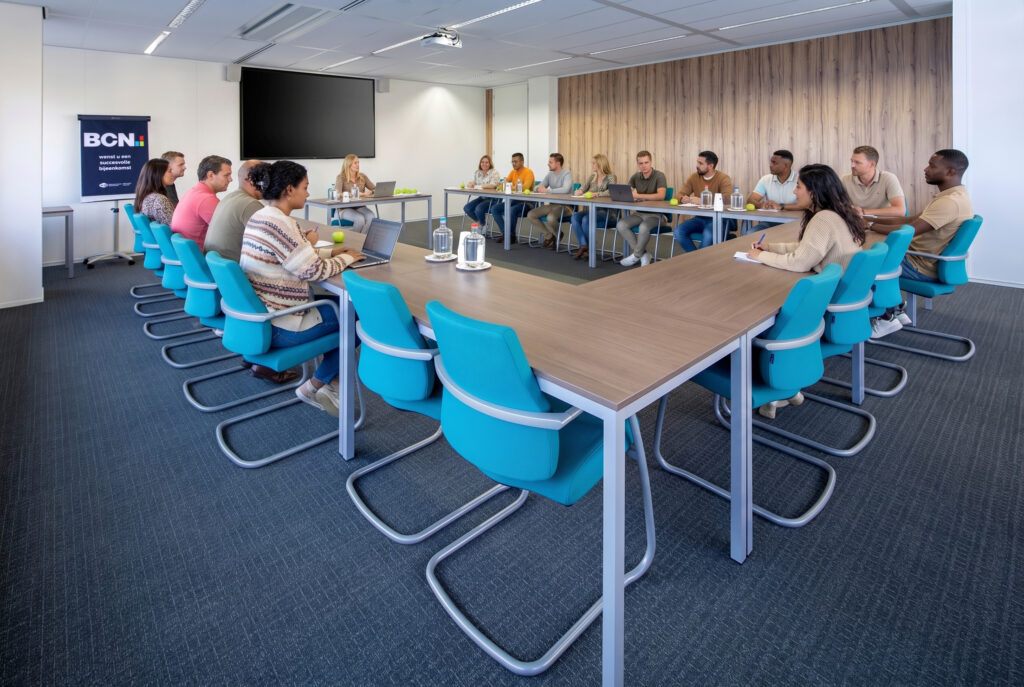
A good meeting venue supports more than just the programme. The environment contributes to the group’s concentration, interaction, and energy. This applies whether you are organizing a training session, workshop, course day, or multi-day programme.
When the room is ready, the technology works, and participants receive a warm welcome, the day gets off to a relaxed start. This allows everyone to stay focused on learning, collaborating, and sharing knowledge. You focus on your group. We make sure everything around you runs smoothly.
For trainers and organizers, this means fewer concerns about practical matters and more room to focus on the content. It creates a sense of calm, and that calm can make a real difference to the results of the day.
What can you apply to yoir own meetings?
Looking at meeting cultures around the world shows that there is no single perfect approach. However, there is plenty of inspiration to be found in different ways of working. The Germans focus on preparation, Dutch engagement, American drive for action, Japanese emphasis on reflection, and Scandinavian approach to collaboration all offer valuable insights.
By combining these lessons with an environment where participants can fully concentrate, you create a strong foundation for a successful meeting. Whether you are organizing a workshop, delivering a course, or facilitating an entire training programme, ultimately it is about focus, development, and results.
Plan your meeting with focus
Are you organizing a training session, workshop, course, or international meeting? Choose a meeting venue where calm, hospitality, and results come first. Get in touch and discover which space best suits your group and objectives.

Written by
Esmee van Houten
I’m Esmee, 21 years old, and I started as an intern in BCN’s marketing department in 2024 while studying Creative Business. I now work here as a Marketing & Communications Assistant, a role I really enjoy. With a passion for content, storytelling, and communication, I bring a fresh perspective to everything related to meetings and hospitality. In these articles, I share practical tips, inspiration, and stories from the field.