Introverted vs. extroverted participants: how to keep everyone engaged
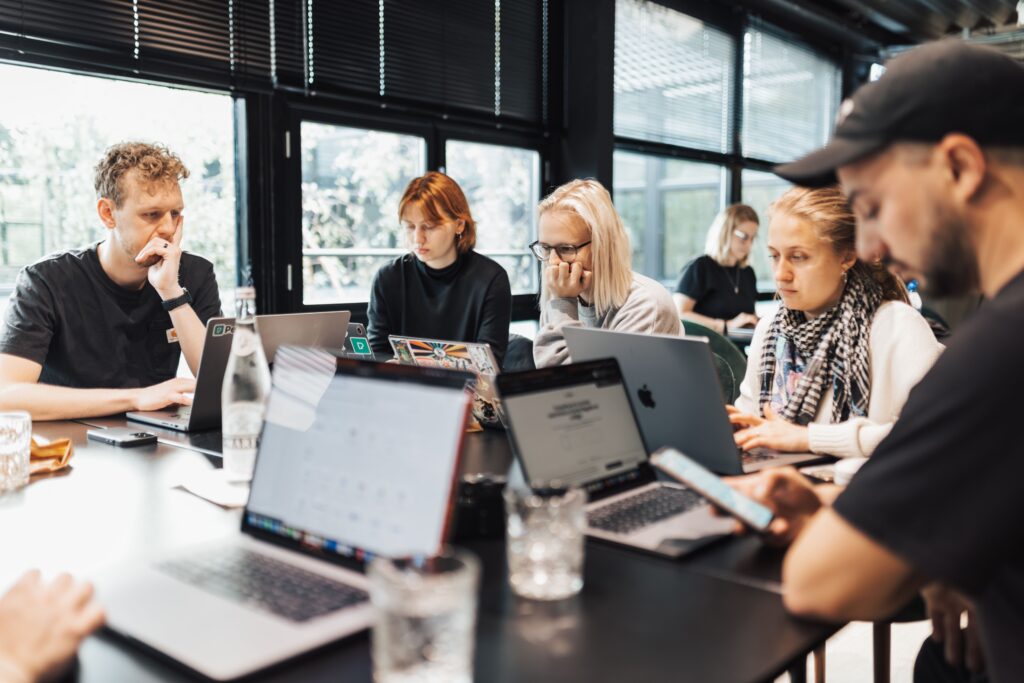
Every group is made up of different personalities. During meetings, training sessions, and workshops, you will often notice that some participants speak up effortlessly, while others prefer to listen and reflect before sharing their opinions. These differences are often related to where people get their energy from and how they process information.
Extroverted participants often think out loud, respond quickly, and feel comfortable in group discussions. Introverted participants, on the other hand, prefer to take their time processing information and often formulate their ideas only after giving them careful thought. Both styles bring valuable insights to the table. The challenge for trainers, facilitators, and meeting proffesionals is to create an environment where everyone has the opportunity to contribute.
Why engagement does not look the same for everyone
A common mistake during meetings and other group sessions is assuming that engagement must be visible. People who ask a lot of questions, respond to others, and actively participate in discussions are often seen as the most engaged participants.
Give participants time to think
During meetings and other group sessions, questions are often posed directly to the group, with the quickest participants responding almost immediately. While this can bring energy to a conversation, it can also make it harder for others to contribute.
By intentionally allowing a short pause after asking a question, you give everyone the opportunity to organize their thoughts. This simple technique encourages more participants to join the conversation and often improves the quality of the responses.
In fact, participants who take a little more time to think often come up with surprising insights or valuable perspectives.

Prevent one voice from dominating the conversation
Extroverted participants often bring energy and dynamism to a meeting. While this is valuable, it can sometimes result in other participants feeling that they have less room to share their opinions.
As a facilitator or meeting leader, it is important to pay conscious attention to how speaking time is distributed. This does not mean holding enthusiastic participants back, but rather actively creating space for others to contribute.
For example, by directly inviting someone to share their perspective, you can create more balance in the conversation. This often leads to richer discussions and better-informed decisions.
Create a safe environment
People are more likely to share their ideas when they feel safe within a group. This applies to both introverted and extroverted participants, but it is often especially important for those who are less likely to speak up spontaneously.
A safe environment is created when participants feel that their contributions are taken seriously and that different opinions are met with respect. When people feel heard, they become more willing to actively participate.
Creating this sense of safety starts with the way a meeting or session is opened and facilitated. Clear agreements, respectful communication, and genuine attention to different perspectives can make all the difference.
Make use of diversity within group settings
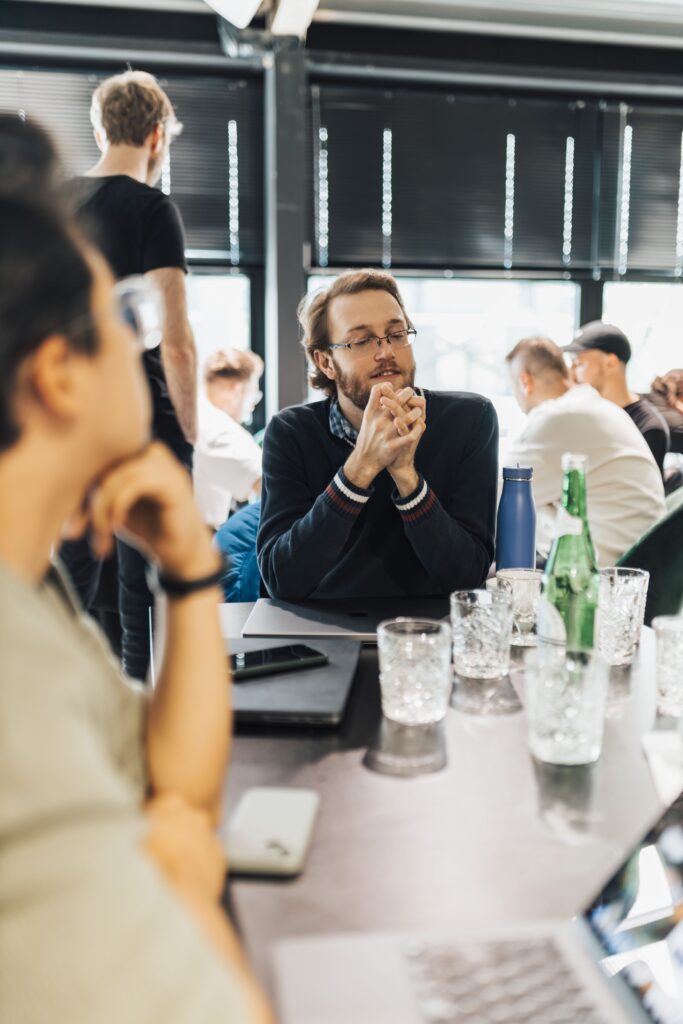
The goal of a meeting or group session should not be to make everyone participate in the same way. In fact, it is the differences between participants that make a group stronger.
Extroverted participants often bring energy, spontaneity, and speed to conversations. Introverted participants often add depth, reflection, and carefully considered ideas. When there is enough room for both qualities, a balanced and effective collaboration can develop.
Successful meetings are therefore not about changing people’s personalities, but about creating the right conditions for different personalities to contribute at their best.
Make the most of different personalities
Every participant has their own way of thinking, communicating, and contributing. By taking both introverted and extroverted participants into account, you can increase not only engagement but also the quality of discussions and decision-making.
By setting clear expectations, using a variety of activities, allowing enough time for reflection, and creating a safe environment, you can ensure that everyone feels heard. This allows you to make the most of different personalities and get the best out of every meeting, training session, or event.

Written by
Esmee van Houten
I’m Esmee, 21 years old, and in 2024 I started as an intern in BCN’s marketing department while studying Creative Business. Since then, I have joined the team as a Marketing & Communications Employee, a role I truly enjoy. With a passion for content, storytelling, and communication, I like to bring a fresh perspective to everything related to meetings and hospitality. In these articles, I share practical tips, inspiration, and stories from the field.